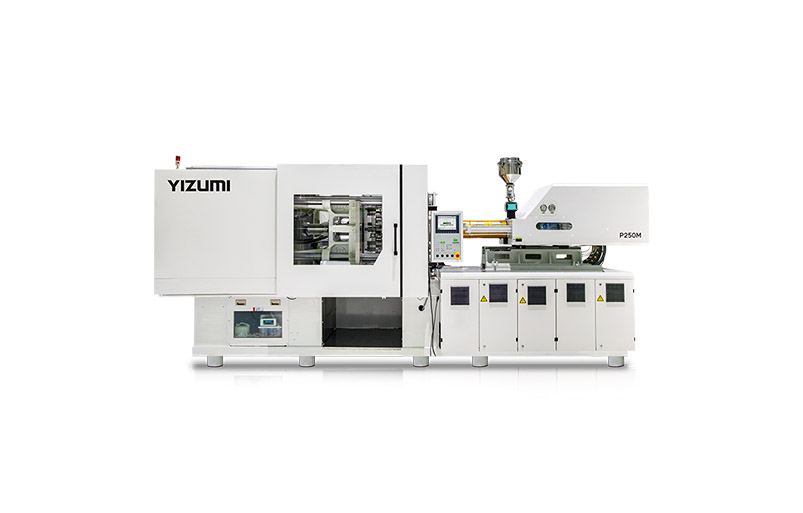
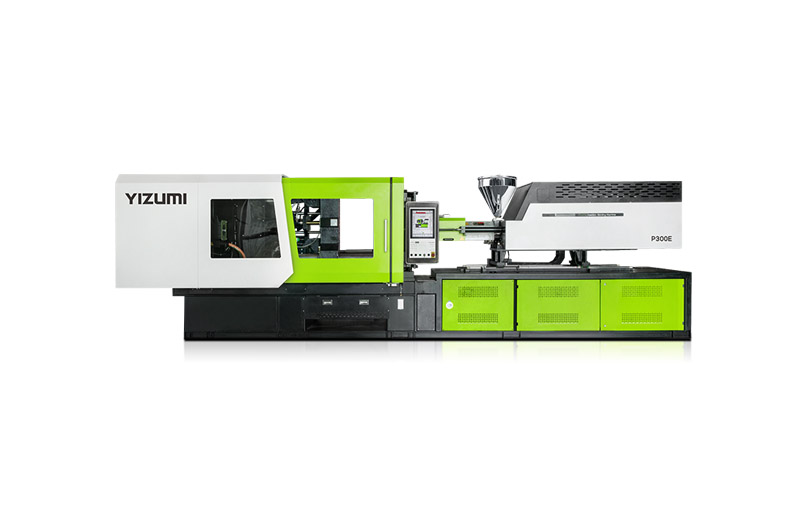
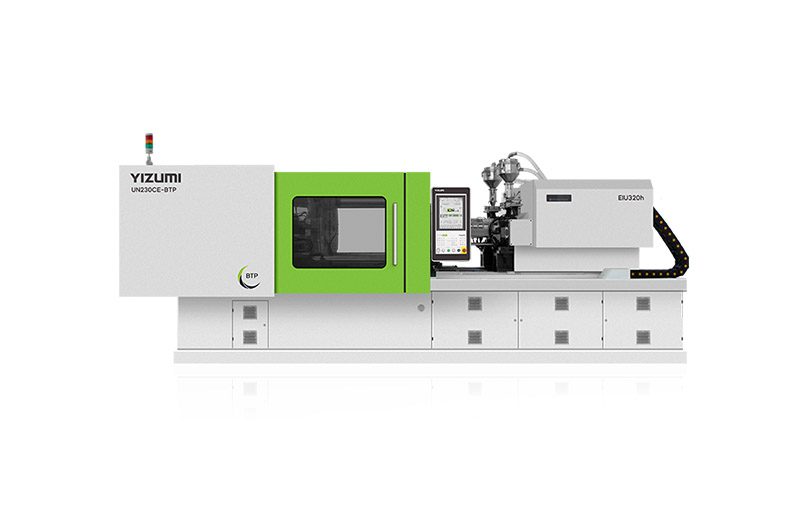
A plastic injection molding machine produces plastic parts by melting resin, injecting it into a mold, and applying controlled pressure until each part cools and solidifies. Injection and clamping units control production, while mold cavities define part shape.
Applications range from medical products and electronic housings to automotive components, packaging, household goods, pipe fittings, and industrial parts. Machine selection depends on material, part design, mold dimensions, shot size, output requirements, and automation needs.
What Is a Plastic Injection Molding Machine?
A plastic injection molding machine converts plastic material into molded parts. During a typical thermoplastic process, pellets enter a heated barrel, where a rotating screw plasticizes and meters material. Once a shot is ready, forward screw movement forces molten plastic through a nozzle and into a closed mold.
Main Machine Components
An injection unit handles material feeding, plasticizing, metering, and injection. A clamping unit carries mold halves, moves them, and applies force during filling and holding. Machine controls coordinate temperature, position, speed, pressure, and cycle timing.
Machine and Mold Functions
A mold is production tooling mounted inside a machine. Its cavities define part geometry, while gates, runners, vents, and cooling channels influence filling and solidification.
Machine specifications determine whether a mold can be installed and operated under required process conditions. Both machine and mold must match part and material requirements.
How Does a Plastic Injection Molding Machine Work?
A standard thermoplastic injection molding cycle includes five main stages:
- Close and clamp: Mold halves close, and clamping force resists pressure generated inside each cavity.
- Plasticize and inject: Screw rotation prepares a measured shot. Screw then moves forward, sending molten resin through a nozzle and into mold cavities.
- Apply holding pressure: Additional material compensates for shrinkage until gates seal or further packing is no longer effective.
- Cool and recover: Mold circuits remove heat from each part. Screw recovery may prepare another shot during this stage.
- Open and eject: Mold opens after sufficient cooling, and ejectors release finished parts.
Part quality depends on interaction among machine control, mold design, and material behavior. Higher pressure cannot consistently correct poor venting, unbalanced filling, or inadequate mold cooling.
What Types of Plastic Injection Molding Machines Are There?
YIZUMI's injection molding machine range includes hydraulic, electric, high-speed, two-platen, multi-component, special-purpose, and vertical configurations. These classifications can overlap: a multi-component machine may also use electric drives or a two-platen clamping structure.
By Drive System
Hydraulic machines use hydraulic power for major machine movements. Individual axes may still use electric drives, depending on machine configuration.
All-electric machines use servo-electric drives for primary movements such as injection, plasticizing, clamping, and ejection. Auxiliary hydraulic functions may still be included when required by a mold or production process.
Hybrid machines combine hydraulic and electric drives. Actual drive arrangements vary by model and application.
Drive type alone does not determine suitability. Injection capacity, mold space, clamp performance, and production requirements must also be considered.
By Clamp Orientation
Horizontal machines support a broad range of conventional production cells.
Vertical clamping can simplify loading and positioning of metal inserts, cables, or other components before overmolding. Orientation should be selected around mold layout, part handling, operator access, and automation requirements.
By Production Requirement
| Production requirement | Machine configuration | Representative product |
|---|---|---|
| Thin-wall parts or demanding cycle targets | High-speed machine | PS5 Series |
| Large molds and substantial opening requirements | Two-platen machine | D1 Series |
| Multiple materials or colors in one molding sequence | Multi-component machine | CG-P Series |
| PET preforms and related products | Special-purpose machine | SPET Series |
These products represent different configurations. Final selection still depends on part, resin, mold, and production requirements.
What Are Plastic Injection Molding Machines Used For?
Plastic injection molding machines produce parts ranging from small connectors to large logistics pallets. Common applications include:
- Medical products: including syringe components, blood collection tubes, medical consumables, microfluidic parts, and pharmaceutical packaging.
- Consumer electronics: including device housings, connectors, buttons, electronic reels, and camera lens components.
- Automotive parts: including interior trim, exterior panels, lighting components, connectors, and plastic housings.
- Plastic packaging: including food containers, lids, bottle caps, cosmetic packaging, buckets, and PET bottle preforms.
- Household products: such as appliance components, toys, storage containers, daily-use products, and waste bins.
- Logistics and industrial products: such as reusable pallets, transport boxes, technical components, and industrial housings.
- Building and plumbing products: such as plastic pipe fittings, faucet components, and irrigation parts.
How Do You Specify an Injection Molding Machine for a Project?
Specify a machine by converting product and production requirements into measurable equipment requirements.
1. Define Part and Material Requirements
Record part weight, dimensions, projected area, wall thickness, tolerance, surface requirements, and resin grade. Include filler content, density, drying conditions, and processing range where applicable.
2. Define Mold Requirements
Provide cavity count, runner type, mold dimensions, mold weight, mold thickness, opening distance, and ejector requirements. Identify hot runners, core pulls, unscrewing systems, or other mold functions.
3. Determine Required Machine Capacity
Use project data to establish:
- Clamping force
- Total shot weight and shot volume
- Screw diameter
- Injection pressure and injection rate
- Plasticizing capacity
- Platen dimensions and tie-bar spacing
- Opening stroke, daylight, and ejector capacity
Selecting by tonnage alone is insufficient. A machine may provide enough clamping force while failing to accommodate mold dimensions or required shot size.
4. Define Production-Cell Requirements
Add target cycle, annual output, automation level, robot access, material handling, cooling equipment, available floor space, and utility requirements.
Part drawings, resin data, mold information, and production targets allow equipment suppliers to evaluate a suitable machine configuration.
How Is a Plastic Injection Molding Machine Installed and Commissioned?
Installation planning should begin before equipment arrives.
Prepare Production Area
Confirm foundation capacity, floor level, access route, lifting clearance, and production-cell layout. Reserve space for mold changes, maintenance, material handling, robots, and safety equipment.
Position and Connect Equipment
Qualified personnel should level and secure each machine, then connect power, cooling water, compressed air, material feeding, and required hydraulic accessories according to equipment documentation and local requirements.
Install Mold and Auxiliary Equipment
Confirm mold dimensions and weight before loading. Verify locating ring, nozzle interface, mold clamping, ejector connection, hot-runner control, core pulls, dryer, loader, temperature-control equipment, and robot communication.
Commission Production
Commissioning should cover:
- Safety functions and emergency stops
- Clamping, injection, and ejector movements
- Heating and cooling systems
- Mold protection and process alarms
- Robot and peripheral communication
- Trial molding with specified resin
- Part quality and repeatability
- Operator and maintenance training
Final acceptance should use an agreed mold, resin, cycle, and quality criteria. Installation guidance, commissioning assistance, maintenance support, and operator training can be coordinated through YIZUMI's service.
How Should a Plastic Injection Molding Machine Be Maintained?
Maintenance should combine routine inspection, scheduled servicing, and condition monitoring. Service intervals depend on machine model, operating hours, material, production environment, and manufacturer instructions.
Routine Inspection
Operators should monitor:
- Oil, water, and air leaks
- Abnormal noise, vibration, or temperature
- Lubrication condition
- Safety guards and emergency stops
- Heater, sensor, and alarm status
- Mold area, tie bars, and moving components
Changes from normal operation should be recorded and investigated promptly.
Preventive Maintenance
Scheduled work may cover hydraulic oil and filters, lubrication systems, screw and barrel wear, heater bands, electrical connections, cooling circuits, platen alignment, tie-bar condition, and safety devices.
Hydraulic and all-electric machines require different maintenance plans. Service records should document operating hours, alarms, inspections, adjustments, and replaced parts.
Discuss Your Injection Molding Project
YIZUMI supplies injection molding equipment for general-purpose and application-specific production. Manufacturers can submit part drawings, resin details, mold data, and output requirements through the project contact form.